
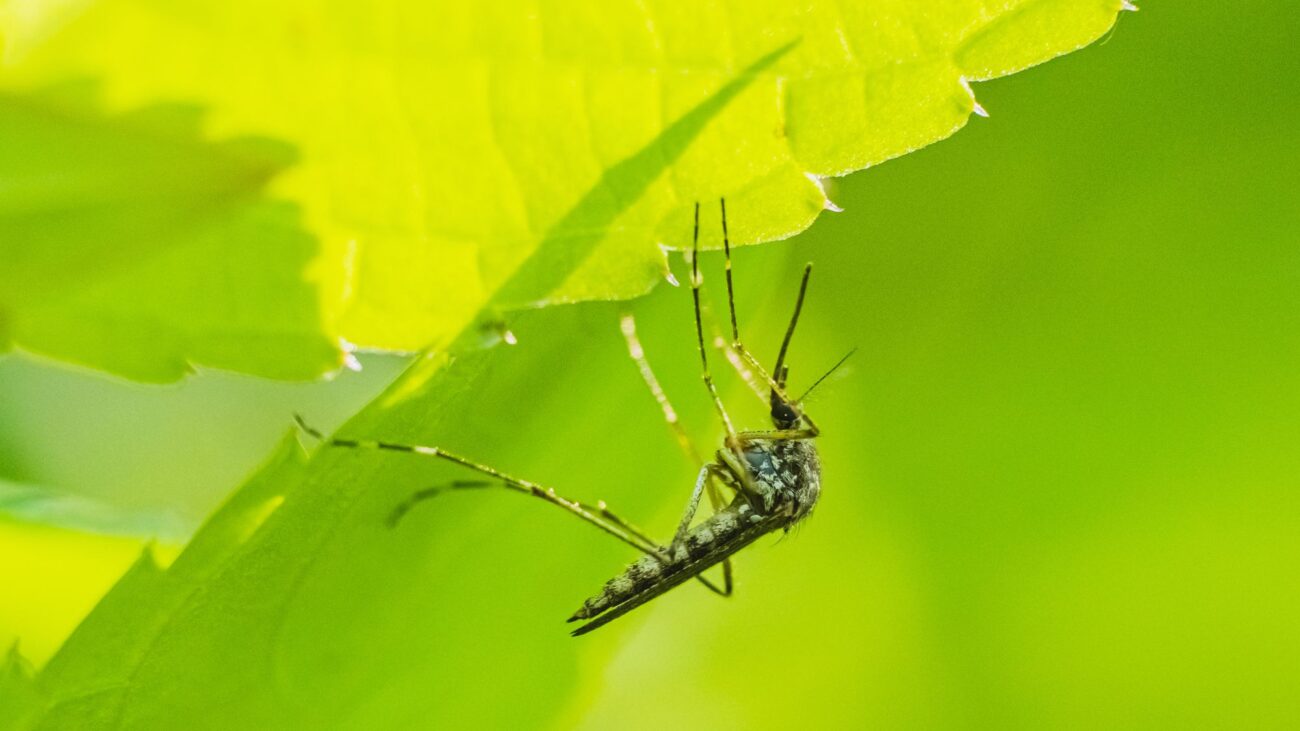
Summer heat means more active mosquitoes.
And they're not just a nuisance – they can spread disease.
But did you know some plants attract mosquitoes like a magnet?
Cattails (Typha latifolia), for instance, are like a bed-and-breakfast for mosquitoes.
Their tall stems and leaves provide shelter from wind and sun, making them a haven for breeding.
Mosquito Magnet Plants
Mosquito Magnet Plants
When it comes to mosquitoes, some plants are like a bed-and-breakfast – they provide the perfect shelter from wind and sun. Cattails (Typha latifolia) are one such example. Their tall stems and leaves make them an attractive hiding spot for mosquitoes, allowing them to rest and breed.
If you already grow cattails in your yard, removing dead or dying plant material is crucial to prevent mosquito eggs from forming. And keep the area around them free of debris – clutter can provide additional shelter for mosquitoes. In fact, a study found that keeping vegetation at least 10 feet away from water sources can reduce mosquito breeding by up to 50%.
Understanding Mosquito Behavior
Mosquitoes are attracted to plants with tall stems and dense foliage, which provide shelter from wind and sun. This is why cattails, bamboo, and other plants like them are often found in mosquito-prone areas. But it’s not just about the type of plant – it’s also about how well-maintained they are.
For example, if you have a cattail patch that’s overgrown with dead or dying stalks, it can become a breeding ground for mosquitoes. Regularly trimming back these stalks can help prevent mosquito eggs from forming and reduce the risk of infestation.
Bamboo (Bambusa spp.)
Bamboo is a popular ornamental plant that’s often used in landscaping, but its tall stems and dense foliage make it an attractive hiding spot for mosquitoes. In fact, bamboo can harbor mosquito larvae in their hollow stems, making them a perfect breeding ground.
Regularly trim back dead or dying stalks to prevent shelter for mosquitoes.
Keep the area around bamboo free of debris – clutter can provide additional shelter for mosquitoes. Consider using mosquito-repellent plants like citronella or lemongrass nearby to keep mosquitoes at bay.
Mosquito Fern (Azolla spp.)
Mosquito fern is a type of aquatic plant that’s often used in ponds and lakes, but its delicate leaves and stems make it an attractive hiding spot for mosquitoes. In fact, mosquito fern can harbor mosquito eggs in their leaf axils, making them a perfect breeding ground.
Regularly inspect the plant for signs of mosquito eggs or larvae.
Tackle mosquito populations head-on with traps or repellents. Consider using UV light traps or CO2 traps to capture adult mosquitoes and prevent further breeding.
Clover (Trifolium spp.)
Clover is a common lawn grass that’s often used in landscaping, but its dense foliage and flowers can make it an attractive hiding spot for mosquitoes. In fact, clover can harbor mosquito larvae in their leaf axils, making them a perfect breeding ground.
Regularly mow your lawn to prevent tall stems and leaves that provide shelter for mosquitoes.
Keep the area around clover free of debris – clutter can provide additional shelter for mosquitoes. Consider using mosquito-repellent plants like basil or mint nearby to keep mosquitoes at bay.
Rosemary (Rosmarinus officinalis)
Rosemary is a popular herb that’s often used in cooking, but its tall stems and needle-like leaves make it an attractive hiding spot for mosquitoes. In fact, rosemary can harbor mosquito eggs in their leaf axils, making them a perfect breeding ground.
Regularly inspect the plant for signs of mosquito eggs or larvae.
Tackle mosquito populations head-on with traps or repellents. Consider using UV light traps or CO2 traps to capture adult mosquitoes and prevent further breeding.
Water Lilies (Nymphaea spp.)
Water lilies are a popular aquatic plant that’s often used in ponds and lakes, but their large leaves and stems make them an attractive hiding spot for mosquitoes. In fact, water lilies can harbor mosquito larvae in their leaf axils, making them a perfect breeding ground.
Regularly inspect the plant for signs of mosquito eggs or larvae.
Tackle mosquito populations head-on with traps or repellents. Consider using UV light traps or CO2 traps to capture adult mosquitoes and prevent further breeding.
Preventing Mosquito Breeding in Plants
When it comes to preventing mosquito breeding in plants, regular maintenance is key. This includes regularly inspecting the plant for signs of mosquito eggs or larvae, as well as keeping the area around the plant free of debris and clutter.
Regularly trim back dead or dying plant material to prevent shelter for mosquitoes.
Consider using mosquito-repellent plants like citronella or lemongrass nearby to keep mosquitoes at bay.
Identifying Mosquito-Prone Plants
Mosquito-prone plants are often characterized by their tall stems and dense foliage, which provide shelter from wind and sun. Some common examples of mosquito-prone plants include cattails, bamboo, and water lilies.
Regularly inspect the plant for signs of mosquito eggs or larvae.
Tackle mosquito populations head-on with traps or repellents. Consider using UV light traps or CO2 traps to capture adult mosquitoes and prevent further breeding.
✅ Verdict
By removing dead or dying plant material and keeping the area around them free of debris, you can take steps to prevent mosquito eggs from forming in your yard. It's not just about extermination – it's about creating a mosquito-free zone for your outdoor space.
