
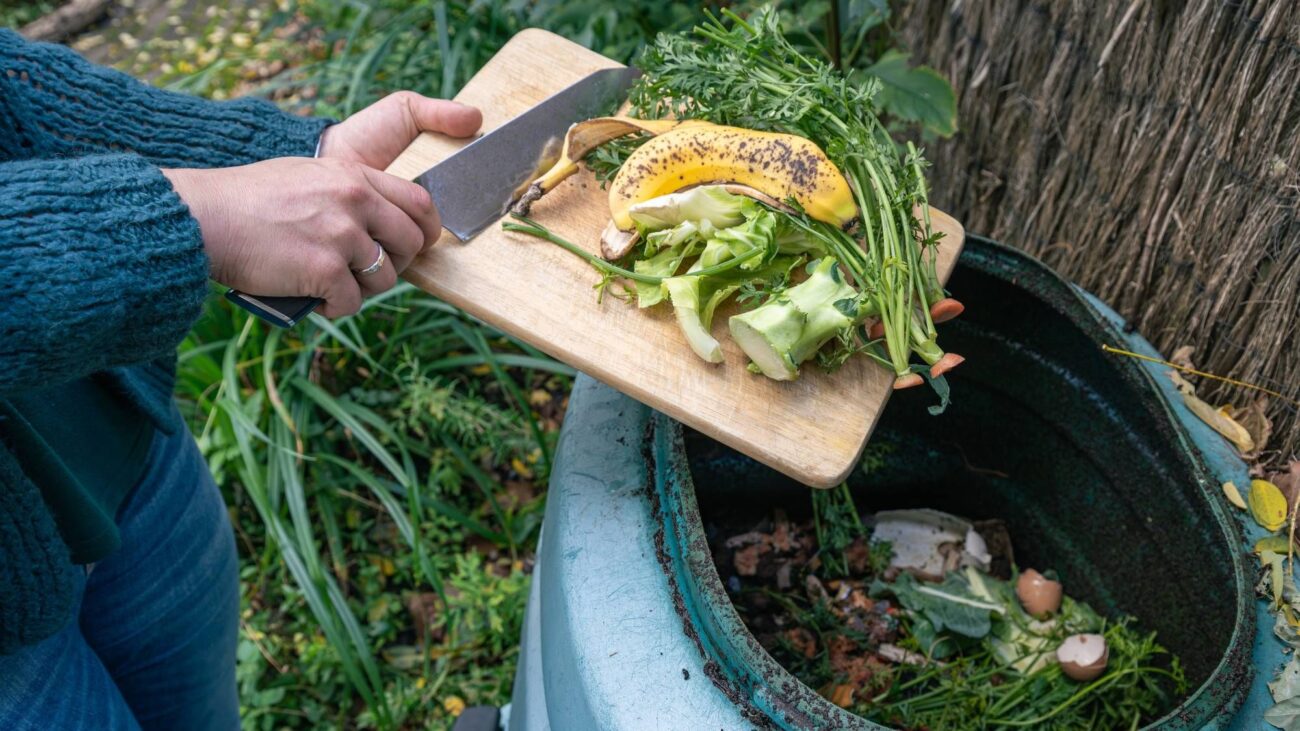
Composting can be a delicate process, especially during hot summer months.
A well-maintained compost pile is crucial for providing nutrient-rich soil, reducing waste, and mitigating climate change.
However, many gardeners experience a common issue: their compost piles tend to stop working in July due to temperature fluctuations, moisture levels, and carbon-to-nitrogen ratios.
Why Compost Piles Tend to Stall
Why Compost Piles Tend to Stall in July
Compost piles can be sensitive to temperature fluctuations, and the hot summer months can cause them to slow down or even stop working altogether. In July, the average high temperature is often above 85°F (30°C), which can lead to overheating and reduced microbial activity. This is because microorganisms that break down organic matter thrive in a narrow temperature range between 130°F (54°C) and 140°F (60°C). When temperatures exceed 150°F (65.5°C), these microorganisms slow down or even cease to function, causing the compost pile to stall.
Temperature Fluctuations: The Silent Killer of Compost Piles
The ideal temperature range for composting is between 130°F (54°C) and 140°F (60°C). However, when the temperature exceeds 150°F (65.5°C), microbial activity can slow down or even cease. In July, it’s not uncommon for compost piles to reach temperatures above 160°F (71.1°C), causing them to stall. This is because the heat from the sun and the lack of shade can cause the compost pile to overheat. To mitigate this issue, gardeners should make sure that their compost piles receive adequate shade during the hottest part of the day.
Moisture Levels: The Unsung Hero of Compost Piles
Compost piles need a certain level of moisture to function properly. When the air is dry, microorganisms can’t break down organic matter efficiently, leading to reduced decomposition rates. In July, you need to maintain adequate moisture levels in your compost pile by adding water regularly. This will help to keep the microorganisms happy and healthy, making sure that they continue to break down organic matter at an optimal rate.
Carbon-to-Nitrogen Ratios: The Key to Compost Pile Success
The carbon-to-nitrogen ratio (C:N) is a critical factor in composting. A balanced C:N ratio makes sure that microorganisms have the necessary nutrients to break down organic matter efficiently. However, when the C:N ratio becomes imbalanced, microbial activity can slow down or stop altogether. In July, it’s common for gardeners to add too much nitrogen-rich materials, such as food scraps or manure, which can throw off the C:N balance. To avoid this issue, gardeners should aim to maintain a balanced C:N ratio by adding equal amounts of ‘green’ and ‘brown’ materials to their compost pile.
Practical Considerations for Maintaining a Healthy Compost Pile
When maintaining a healthy compost pile, it’s essential to consider the following factors:
- Adequate Space: Ensure that your compost pile has enough space to allow for proper airflow and decomposition. A minimum of 3×4 feet is recommended.
- Regular Turning: Turn your compost pile regularly to maintain optimal decomposition rates and prevent matting.
By following these simple steps, you can revive your stalled compost pile and keep it working effectively throughout the summer. Remember to monitor temperature, moisture levels, and carbon-to-nitrogen ratios to make sure optimal decomposition rates.
Reviving Your Compost Pile in July
Fortunately, there are several ways to revive your compost pile and get it working effectively again. Here are some practical tips:
- Add Brown Materials: Incorporate brown materials like dried leaves, straw, or shredded newspaper into your compost pile to balance out the C:N ratio.
- Monitor Temperature: Keep an eye on temperature fluctuations and turn your compost pile regularly to maintain optimal decomposition rates.
- Add Water Regularly: make sure that your compost pile has adequate moisture levels by adding water regularly, especially during hot summer months.
- Avoid Over-Nitrogenation: Be mindful of the C:N ratio and avoid adding too many nitrogen-rich materials, such as food scraps or manure.
Common Issues with Compost Piles in July
Compost piles tend to stall due to temperature fluctuations, moisture levels, and carbon-to-nitrogen ratios. By understanding these common issues, you can take steps to prevent them and keep your compost pile running smoothly.
For example, if your compost pile is too dry, microorganisms may not be able to break down organic matter efficiently. To combat this issue, add water regularly to maintain adequate moisture levels. Similarly, if your compost pile has an imbalanced C:N ratio, microbial activity can slow down or stop altogether.
Practical Implications
Reviving your compost pile in July can have notable benefits for your garden. By maintaining a healthy compost pile, you’ll be able to:
- Provide nutrient-rich soil for your plants
- Reduce waste and minimize landfill contributions
- Mitigate climate change by reducing greenhouse gas emissions
The Importance of Compost Piles in Modern Gardening

In recent years, composting has become an essential practice in modern gardening. With the increasing awareness of environmental issues and the need to reduce waste, gardeners are turning to composting as a way to create nutrient-rich soil for their plants while reducing their carbon footprint. However, many gardeners face challenges for maintaining a healthy compost pile, particularly during the hot summer months. By understanding the reasons why compost piles tend to stall in July and implementing practical tips to revive them, gardeners can make sure that their compost piles continue to function effectively throughout the summer.
Conclusion
In short, compost piles tend to stall or stop working in July due to temperature fluctuations, moisture levels, and carbon-to-nitrogen ratios. By following these simple steps, you can revive your stalled compost pile and keep it working effectively throughout the summer. Remember to monitor temperature, moisture levels, and C:N ratios to make sure optimal decomposition rates.
✅ Verdict
By following the simple steps outlined below, you can revive your stalled compost pile and keep it working effectively throughout the summer. Monitor temperature, moisture levels, and C:N ratios to ensure optimal decomposition rates.
