
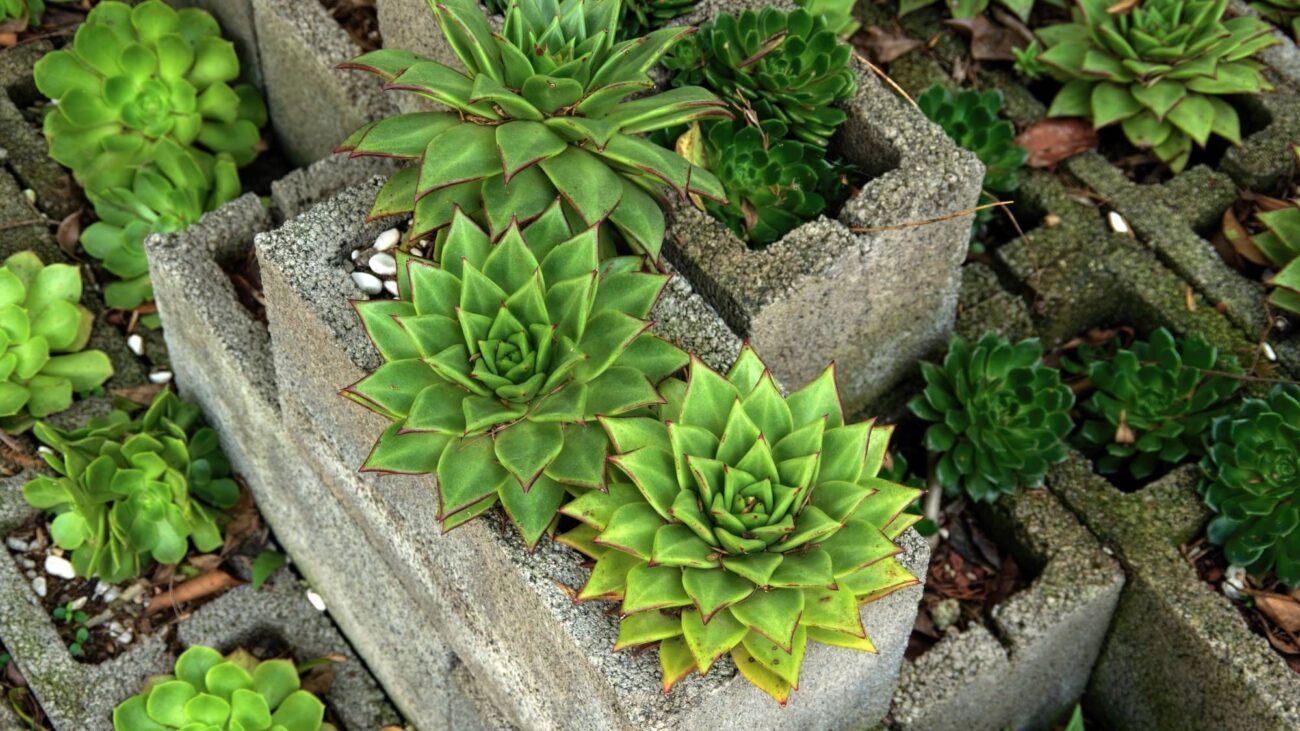
Gardeners often dismiss cinder blocks as lowly building material, but repurposing them as container gardens is a clever move.
For just $2-$3 per block, you can create a beautiful garden that's cheaper than many seed packets and won't leach chemicals into the soil.
The Cinder Block Container Garden Myth
From Wasteland to Wonderland
Cinder blocks provide excellent drainage and won’t leach chemicals into the soil, making them an attractive alternative to traditional gardening methods. This is particularly beneficial for gardeners who want to avoid using plastic containers or wooden planters that can harbor pests and diseases. By repurposing cinder blocks as container gardens, you’ll not only reduce waste but also create a unique and functional space for your plants.
The Cinder Block Container Garden Myth
Many gardeners dismiss cinder blocks as lowly building material, but they offer several advantages over traditional gardening methods. For one, they provide excellent drainage, which is essential for healthy plant growth. Unlike plastic containers or wooden planters, cinder blocks won’t leach chemicals into the soil, making them a safer choice for your plants.
The Cheap Option
A single cinder block can cost as little as $2-$5 – significantly cheaper than many seed packets or wooden planters. And with low maintenance requirements, you’ll save even more time and money in the long run. In fact, a 4×8 foot cinder block wall can be built for under $100, making it an affordable option for gardeners on a budget.
No Chemicals, No Problem
Cement, water, and aggregate are all cinder blocks are made of, making them a safe choice for your plants. Unlike plastic containers, they won’t poison your plants or contribute to the plastic pollution problem. Additionally, cinder blocks can be reused multiple times, reducing waste and minimizing environmental impact.
Rustic Chic
Forget wood planters – cinder block container gardens bring a unique industrial charm to any garden. Experiment with different arrangements and add some salvaged metal or brick for an eclectic look. You can also use cinder blocks as a base for raised beds, adding a touch of rustic elegance to your garden.
A Word of Caution
Before using cinder blocks, scrub them clean to remove any leftover construction debris. Choose a potting mix that drains well and consider adding support for top-heavy plants. It’s also essential to ensure proper drainage by placing the cinder block container on a tray or saucer to catch excess water.
Designing Your Cinder Block Container Garden
- Experiment with different arrangements for a unique design.
- Pick a spot with plenty of sunlight and decent drainage.
- If you’re feeling ambitious, try adding a trellis or other support system for vertical gardening.
For more inspiration on designing your cinder block container garden, check out our Container Gardening 101: Tips and Tricks section, where we delve into the details of creating a thriving and visually appealing space using cinder blocks as containers. By following these tips and incorporating cinder blocks into your gardening routine, you’ll be well on your way to creating a beautiful and functional garden that’s both budget-friendly and environmentally conscious.
Benefits of Using Cinder Blocks for Container Gardens
In addition to being cost-effective, cinder blocks offer several other benefits when used as container gardens. Some of these include:
- Excellent drainage: Cinder blocks won’t leach chemicals into the soil, making them a safer choice for your plants.
- Reusability: Cinder blocks can be reused multiple times, reducing waste and minimizing environmental impact.
- Rustic charm: Cinder block container gardens bring a unique industrial charm to any garden.
By incorporating cinder blocks into your gardening routine, you’ll not only save money but also create a beautiful and functional space for your plants. So why wait? Give cinder blocks a try and experience the benefits of using them as container gardens for yourself!
Tips for Choosing the Right Cinder Blocks
When selecting cinder blocks, consider their size, shape, and material composition. Look for blocks with a smooth surface to prevent water from accumulating and creating an ideal environment for mold and mildew growth. You can also experiment with different colors or textures to add visual interest to your garden.
Caring for Your Cinder Block Container Garden
Regular maintenance is crucial to ensure the health and longevity of your cinder block container garden. Water your plants thoroughly, but avoid overwatering, which can lead to root rot and other problems. Fertilize your plants regularly, and prune them as needed to maintain their shape and promote healthy growth.
Common Mistakes to Avoid When Using Cinder Blocks
While cinder blocks are a great alternative to traditional gardening methods, there are some common mistakes to avoid when using them. These include:
- Not cleaning the cinder blocks properly before use.
- Using low-quality potting mix that doesn’t drain well.
- Failing to provide adequate drainage for your plants.
By avoiding these common mistakes, you’ll be able to create a thriving and visually appealing cinder block container garden that brings joy and beauty to your outdoor space.
✅ Verdict
Cinder blocks are a cost-effective and surprisingly great option for container gardens – give them a try!
