
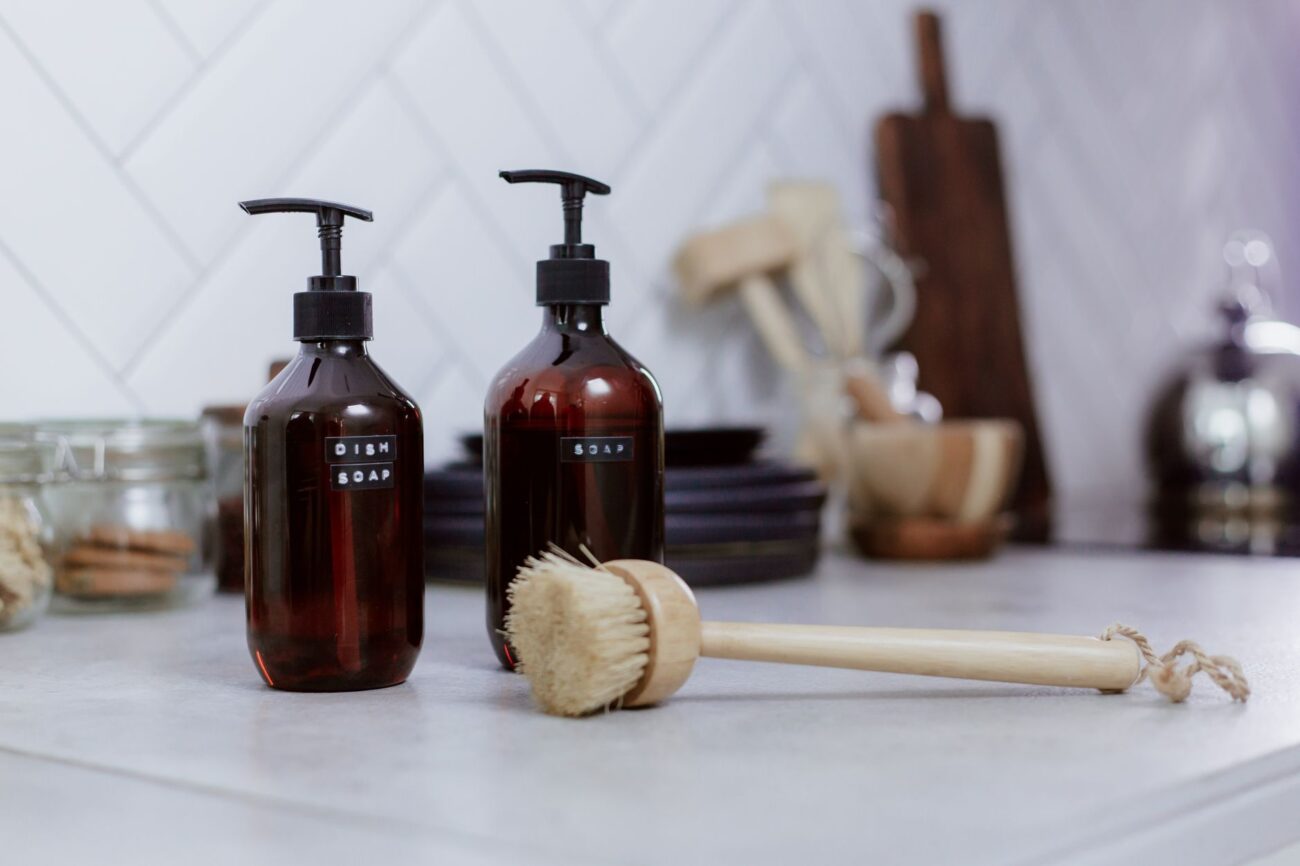
Cleaning is an afterthought for many of us.
We assume everything needs a daily scrubdown.
But what if we told you there are items in your home that should be left alone?
The Risks of Over-Cleaning
The Risks of Over-Cleaning
Over-cleaning can be just as detrimental as not cleaning at all. Excessive cleaning can lead to the buildup of chemicals, damage to surfaces, and harm to your health.
1. Television and Computer Screens: A Delicate Balance Between Cleaning and Damage
While it may be tempting to clean television and computer screens regularly, this can quickly lead to damage, especially if using harsh chemicals. Using glass cleaner on modern screens can result in dissolving the anti-glare coating.
To clean screens safely, you should use only a dry microfiber cloth. For tough-to-remove spots, you can use a little water and a soft-bristled brush to gently scrub the area.
The Importance of Screen Cleaning Techniques
When cleaning modern screens, it’s essential to understand that they require special care. Using the wrong cleaning products or techniques can lead to permanent damage, including scratches and discoloration.
For example, some screens have a special coating that helps reduce glare. Using harsh chemicals on these screens can strip away this coating, leading to increased glare and reduced image quality.
2. Wooden Cutting Boards: A Kitchen Essential That Doesn’t Need Daily Cleaning
Wooden cutting boards are a functional and beautiful kitchen tool, but they don’t require frequent washing after every use. In fact, over-washing can cause wood fibers to swell and contract, leading to warped or cracked surfaces.
When you do need to wash your wooden cutting board, hand wash it with soap and water, then stand it to fully dry before storing. Avoid washing cutting boards in the dishwasher or leaving them soaking in the sink, as this can cause warping or cracking.
The Effects of Over-Washing on Wooden Cutting Boards
Over-washing your wooden cutting board can have several negative effects, including:
- Warped or cracked surfaces
- Discoloration
- Loss of antimicrobial properties
By understanding the risks associated with over-washing, you can take steps to protect your wooden cutting board and extend its lifespan.
3. Electrical Outlets: A Hidden Danger in Your Home
Cleaning electrical outlets every time you dust or wipe down kitchen counters is unnecessary and potentially dangerous due to the risk of electric shock. People tend to spray cleaner directly onto the faceplate, forgetting that there’s a live socket right behind it.
To clean safely, turn off the breaker and spray cleaning solution onto a rag, then wipe down the outlet. This can be done once a year unless heavily soiled.
The Risks of Over-Cleaning Electrical Outlets
Over-cleaning electrical outlets can lead to electric shock and damage to the socket. It’s essential to understand the risks associated with over-cleaning these areas and take steps to protect yourself and your family.
Liang emphasizes that ‘people tend to spray cleaner directly onto the faceplate.’ Instead, he recommends cleaning them safely by turning off the breaker and using a rag to wipe down the outlet.
4. Cleaning Products: Choosing the Right Tools for the Job
The right cleaning products can make all the difference in keeping your home clean without causing damage. Look for products that are specifically designed for the surface you’re cleaning, and avoid using harsh chemicals or abrasive cleaners that can scratch surfaces.
Some popular natural cleaning products include:
- Baking soda
- Vinegar
- Castile soap
These products are gentle and effective, making them a great choice for most household cleaning tasks.
5. Cleaning Frequency: How Often to Clean Each Area of Your Home

The frequency at which you clean each area of your home will depend on how often it’s used. High-traffic areas like the kitchen and bathroom may need to be cleaned daily, while less-used areas can get by with a weekly cleaning.
Here are some general guidelines for cleaning frequency:
- Kitchen: Daily wipe-downs, weekly deep clean
- Bathroom: Daily wipe-downs, weekly deep clean
- Living room: Weekly vacuuming and dusting
- Bedroom: Weekly vacuuming and dusting
Remember to adjust your cleaning frequency based on your personal needs and preferences.
6. Cleaning Techniques: Tips for Effective Cleaning
The way you clean can be just as important as the products you use. Here are some tips for effective cleaning:
- Use a microfiber cloth to dust surfaces
- Use a gentle scrubber to remove tough stains
- Avoid using too much water, which can damage surfaces
By following these tips, you can keep your home clean and well-maintained without causing damage.
7. Common Household Items That Don’t Need Frequent Cleaning
There are several common household items that don’t require frequent cleaning, including:
- Curtains and blinds
- Rugs and mats
- Decorative items
These items can be cleaned occasionally, but they don’t need to be washed or scrubbed frequently.
8. How to Clean Your Home Without Causing Damage
Cleaning your home without causing damage requires attention to detail and a willingness to learn new techniques. Here are some tips for effective cleaning:
- Read the labels on cleaning products carefully
- Test a small area before using a new product
- Avoid using too much water, which can damage surfaces
By following these tips, you can keep your home clean and well-maintained without causing damage.
9. The Benefits of Cleaning Your Home Correctly
Cleaning your home correctly has several benefits, including:
- A healthier living environment
- A cleaner and more organized space
- A reduced risk of damage to surfaces
By cleaning your home correctly, you can enjoy these benefits and keep your home looking its best.
10. Conclusion: Stop Over-Cleaning Your Home Today!
Over-cleaning can be just as detrimental as not cleaning at all. By understanding which household items don’t require frequent cleaning and learning how to clean them safely, you can save time, money, and even prevent damage.
✅ Verdict
By understanding which household items don't require frequent cleaning and learning how to clean them safely, you can save time, money, and even prevent damage.
