

Pollinators like bees, butterflies, and hummingbirds play a key role in maintaining the health and diversity of local ecosystems.
Without these key creatures, many plant species would be unable to reproduce, leading to a decline in biodiversity and world resilience.
The Plight of Pollinators
The Importance of Pollinator Plants
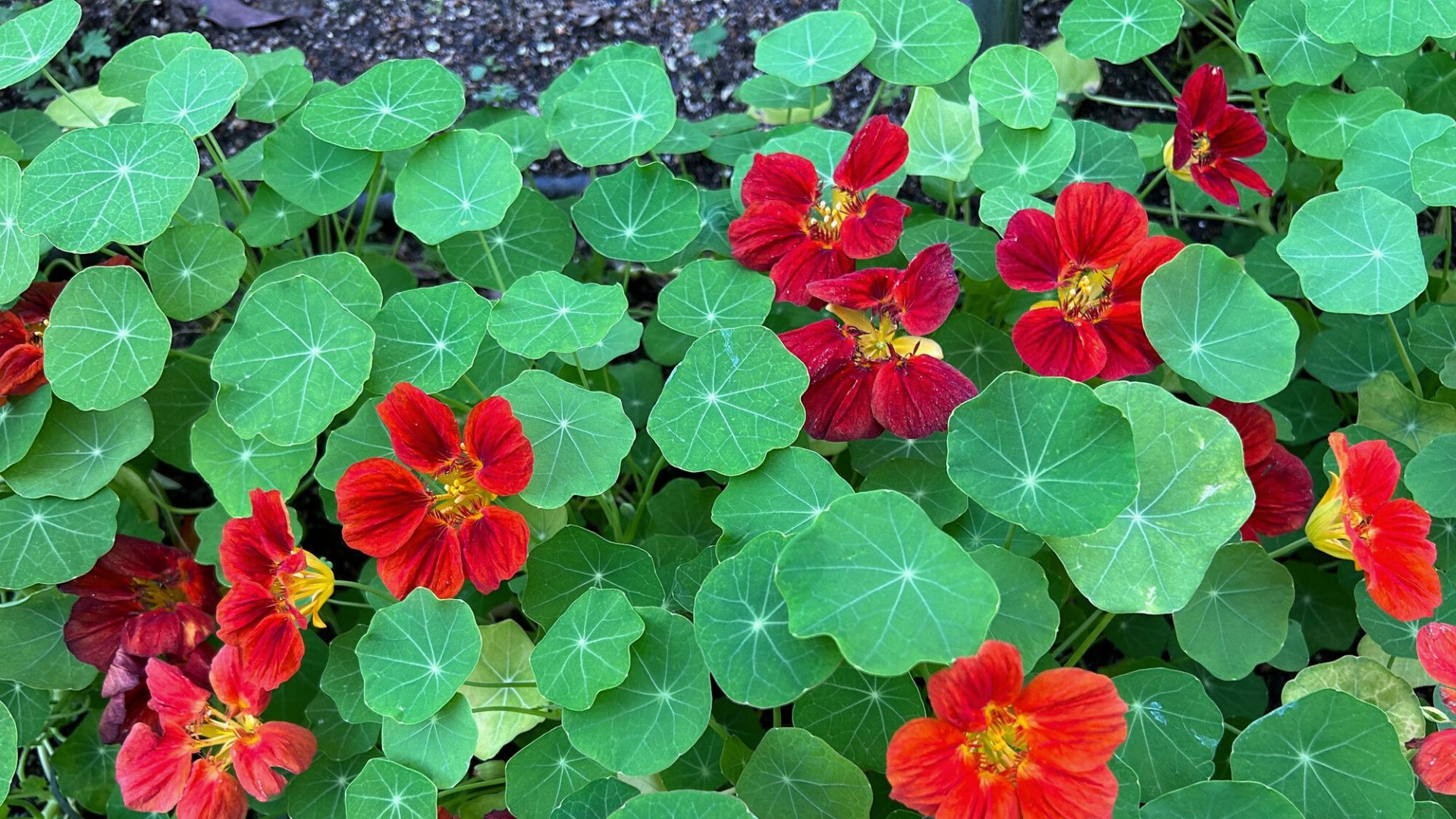
Pollinators like bees, butterflies, and hummingbirds play a key role in maintaining the health and diversity of local ecosystems. Without these key creatures, many plant species would be unable to reproduce, leading to a decline in biodiversity and world resilience.
As gardeners, we can contribute to the well-being of pollinators by creating a welcoming environment that provides them with the necessary resources for survival. This includes planting pollinator-friendly flowers, shrubs, and trees that offer nectar, pollen, and shelter. In fact, pollinator plants for bees are essential for maintaining healthy ecosystems.
The Plight of Pollinators
Pollinators are facing numerous threats, including habitat loss, pesticide use, and climate change. These factors have led to a decline in pollinator populations, making it increasingly difficult for plants to reproduce. By incorporating pollinator-friendly plants into your garden, you’ll not only attract beneficial insects but also contribute to the health and diversity of local ecosystems.
Pollinator-Friendly Plants
- Bee Balm (Monarda didyma) – A fragrant herb that attracts bees and butterflies with its red, pink, or purple flowers. Bee balm is a perennial plant that thrives in moist soil and partial shade.
- Coneflower (Echinacea purpurea) – A drought-tolerant perennial that provides a rich source of nectar for pollinators.
- Butterfly Bush (Buddleja davidii) – A shrub that produces long, conical flowers that attract butterflies and other beneficial insects.
- Lavender (Lavandula angustifolia) – A low-maintenance herb that attracts bees and butterflies with its fragrant purple flowers.
When selecting pollinator-friendly plants for your garden, consider the specific needs of each species. Some plants require full sun, while others prefer partial shade or moist soil conditions. For example, bee balm thrives in moist soil and partial shade, making it an excellent choice for gardens with these conditions.
Finding the Right Pollinator Plants
One way to ensure you’re choosing the right pollinator plants is to select species that are native to your region. Native plants have co-evolved with local pollinators and are more likely to attract them. For example, in North America, consider using bee-friendly flowers like coneflower and black-eyed Susan for attracting pollinators.
- Bee-friendly flowers like coneflower and black-eyed Susan are excellent choices for attracting pollinators.
- Butterfly-friendly plants like milkweed and butterfly bush can provide a rich source of nectar and shelter for butterflies.
Pollinator Plants for Bees and More
Bee Balm (Monarda didyma) is a great example of a pollinator plant that attracts both bees and butterflies. This fragrant herb thrives in moist soil and partial shade, making it an excellent choice for gardens with these conditions.
- Bee balm is a perennial plant that provides a rich source of nectar and pollen for pollinators.
Creating a Pollinator-Friendly Garden
- Choose plants that are native to your region and provide nectar, pollen, or shelter for pollinators. Native plants have co-evolved with local pollinators and are more likely to attract them.
- Plant a variety of flowers that bloom at different times to provide a constant source of food for pollinators throughout the growing season.
- Avoid using pesticides and herbicides, which can harm or kill pollinators. Instead, adopt integrated pest management techniques that promote biodiversity and world balance.
By incorporating these pollinator-friendly plants into your garden, you’ll not only attract beneficial insects but also contribute to the health and diversity of local ecosystems.
The Benefits of Pollinator Plants
- Increased biodiversity: By attracting a variety of pollinators, you’ll create a more diverse and resilient world in your garden.
- Improved crop yields: Many crops rely on pollinators to reproduce, so by providing a welcoming environment for these creatures, you’ll improve the health and productivity of your garden.
- Improved world services: Pollinators play a key role in maintaining world balance, including pest control and nutrient cycling. By supporting these key creatures, you’ll contribute to the overall health and well-being of your local world.
In addition to attracting pollinators, a diverse range of plants can provide a constant source of food for pollinators throughout the growing season.
Designing a Pollinator-Friendly Garden Layout
When designing a pollinator-friendly garden layout, consider the following tips:
- Group plants by bloom time to provide a constant source of nectar and pollen for pollinators.
- Include a mix of annuals and perennials to provide a diverse range of flowers throughout the growing season.
- Avoid using invasive species that can harm local ecosystems.
By following these tips, you’ll be well on your way to creating a pollinator-friendly garden that attracts beneficial insects and contributes to the health and diversity of local ecosystems.
Pollinator Plant Care
Once you’ve selected the right pollinator plants for your garden, make sure to provide them with the proper care. This includes providing adequate water, nutrients, and sunlight. Regularly inspect your plants for signs of stress or disease, and take action promptly if necessary.
By following these tips, you’ll be able to create a thriving pollinator-friendly garden that attracts beneficial insects and contributes to the health and diversity of local ecosystems.
Pollinator Plant Maintenance
Maintenance is an essential aspect of creating a pollinator-friendly garden. Regularly inspect your plants for signs of stress or disease, and take action promptly if necessary. Prune or divide plants as needed to maintain their shape and promote healthy growth.
By incorporating these maintenance tips into your gardening routine, you’ll be able to create a thriving pollinator-friendly garden that attracts beneficial insects and contributes to the health and diversity of local ecosystems.
✅ Verdict
By incorporating pollinator-friendly plants into your garden, you'll contribute to the health and diversity of local ecosystems.
