

There’s a specific kind of winter morning that converts people to radiant floor heating instantly: stepping out of the shower onto a bathroom tile floor that’s actually warm, instead of the usual cold shock that makes you regret every life choice that led to a tile floor in the first place.
Radiant heat has quietly moved from a luxury-home exclusive to a mainstream renovation option, especially in bathrooms, kitchens, and basement remodels. But the cost conversation has a major fork in it almost nobody explains clearly upfront: electric and hydronic systems are fundamentally different products, with different price points and different ideal use cases.
Electric vs. Hydronic: The Decision That Drives Everything Else
| System Type | How It Works | Installed Cost Per Sq Ft | Best For |
| Electric radiant | Resistance cables or mats under flooring | $8 – $15 | Bathrooms, kitchens, single-room retrofits |
| Hydronic radiant | Hot water circulated through tubing | $10 – $26 | Whole-house heating, new construction |
According to a 2026 breakdown from WBI, electric radiant heat is the clear winner for the vast majority of residential projects, single rooms, or supplemental heating, on the basis of total installed cost, simplicity, and warranty coverage.
Hydronic systems only make economic sense when heating large areas of an entire home from a new-construction boiler, where the higher upfront investment is offset by significantly lower operating costs at scale.
What a Realistic Project Actually Costs
| Project Scope | Electric System Cost | Hydronic System Cost |
| Small bathroom (100 sq ft) | $800 – $1,700 | $1,300 – $2,600 (excl. boiler) |
| Kitchen (200 sq ft) | $1,600 – $3,000 | $2,600 – $5,200 |
| Whole house (2,000 sq ft) | Rarely cost-effective at this scale | $12,000 – $32,000 |
Per Today’s Homeowner’s 2026 guide, total project costs span an enormous range from $1,700 for a small bathroom to $48,000 for a whole-home hydronic system, with the single biggest cost driver being whether you’re installing during new construction or retrofitting an existing floor.
The Retrofit Penalty Nobody Mentions Upfront
This is the detail that catches homeowners off guard during the quoting process. According to HomeGuide, a retrofit costs 50% to 80% more than installing during new construction, largely because retrofitting requires removing existing flooring first a cost of $1.50 to $3.00 per square foot on its own, before any heating materials go down.
For hydronic systems specifically, there’s a partial workaround if you have basement or crawl space access: radiant panels can be stapled to the underside of the subfloor from below, avoiding floor removal entirely. According to AskDoss’s 2026 cost guide, this under-floor retrofit approach runs $10 to $14 per square foot but is somewhat less efficient than a system embedded directly beneath the finished flooring.
Operating Costs: Where Hydronic Pulls Ahead Long-Term
Upfront price is only half the financial picture.
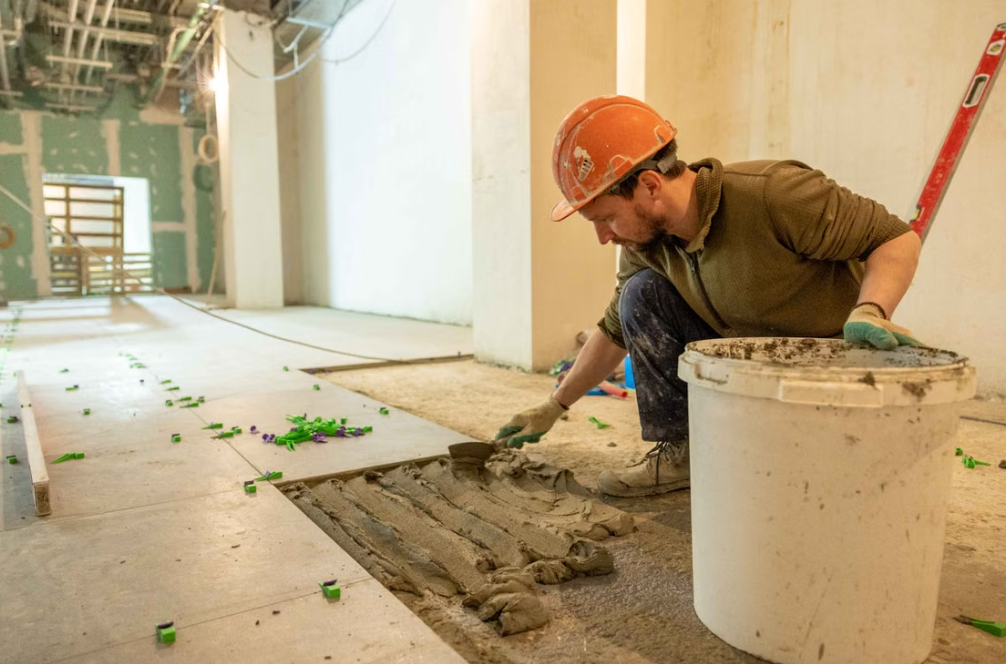
A 2025 efficiency analysis from SolarTechOnline breaks down the ongoing cost difference clearly: electric radiant systems convert electricity to heat at nearly 100% efficiency but cost $1.50 to $3.00 per square foot annually to run, compared to $0.80 to $1.20 per square foot annually for gas-fired hydronic systems.
For a small bathroom, that gap is trivial. For a whole-house system, it compounds into thousands of dollars over the years, which is exactly why hydronic dominates whole-home installations despite its higher upfront cost.
Why Radiant Heat Outperforms Forced Air, Beyond Comfort

Comfort aside, radiant systems have a genuine efficiency edge.
The same SolarTechOnline analysis notes that radiant heating is roughly 25% to 30% more efficient than forced-air heating, since there’s no heat loss through ductwork and the system distributes heat evenly at lower thermostat settings; your body feels warm from the floor up, without the room air needing to reach as high a temperature.
Flooring Compatibility: Not Every Surface Works the Same
| Flooring Type | Compatibility With Radiant Heat |
| Tile / stone | Excellent: conducts heat efficiently, the gold standard pairing |
| Engineered hardwood | Good: works well if surface temperature stays under 82°F |
| Solid hardwood | Not recommended: temperature cycling causes gaps and warping over time |
| Laminate | Good: check manufacturer’s maximum temperature rating |
| Thick carpet | Poor: can reduce system efficiency by 15% to 40% |
This compatibility list is a major reason radiant heat concentrates so heavily in bathrooms and kitchens; rooms that are already tiled for other reasons pair naturally with the technology, while a carpeted bedroom is a much weaker candidate regardless of system type.
Factors That Quietly Drive Cost Up or Down
- Foundation type: Concrete-slab foundations often lose heat downward into the surrounding soil, requiring an added insulation layer between the slab and heating elements to push heat upward into the living space instead of wasting it.
- Labor rates: A plumber for hydronic installation runs $45 to $150 per hour; an electrician for electric systems runs $50 to $130 per hour, according to HomeGuide’s 2026 data.
- Thermostat and zoning: A dedicated programmable thermostat for the system adds $140 to $350, and multi-zone homes need one per zone.
- Layout complexity: Rooms with many corners, islands, or fixed obstacles take longer to plan and install than a simple rectangular room.
How Long Does Installation Actually Take?
For a single room, expect roughly 3 days from start to finish.
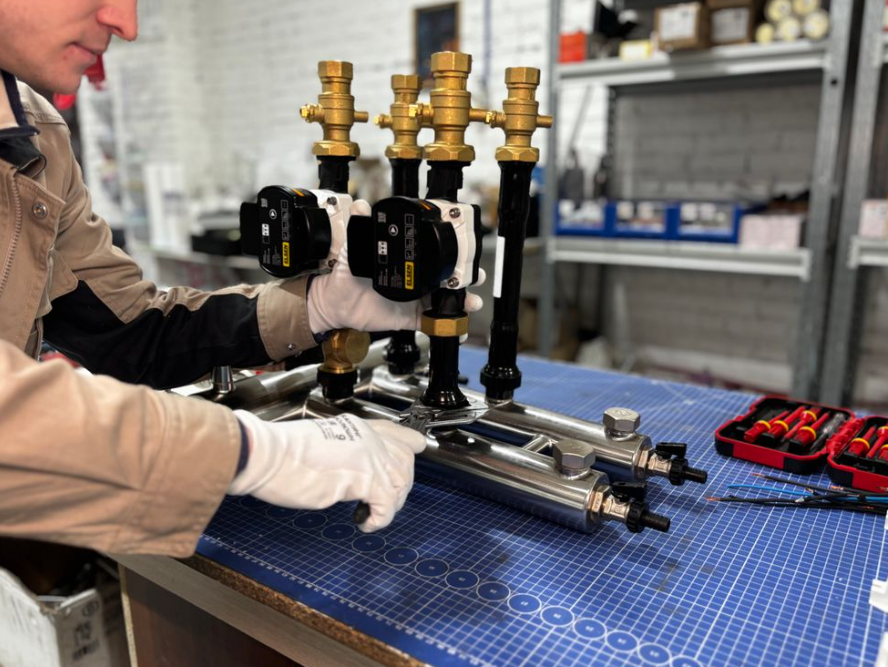
A whole-house system, particularly hydronic with a new boiler, runs 2 to 3 weeks. The heating elements themselves are remarkably durable once installed properly. Designed coils and tubing commonly last 30 to 50 years, often outlasting the flooring installed above them.
Who Should Actually Get This?
Strong candidates:
- Bathroom or kitchen remodels where tile flooring is already planned
- Basement renovations, where radiant heat solves the perpetually cold concrete floor problem directly
- New construction or major renovations where hydronic whole-house heating can be designed in from the start
- Anyone replacing baseboard or space heaters in a single problem room, electric mats are a clean, safer alternative with no exposed heating surfaces
Weaker candidates:
- Carpeted rooms, where efficiency losses are significant and the comfort benefit is muted by the carpet itself
- Whole-house retrofits in homes without existing hydronic infrastructure, where the 50–80% retrofit cost penalty is hardest to justify
- Anyone on a tight renovation budget who hasn’t priced out the alternative of simply upgrading a bathroom’s existing baseboard heat
Bottom Line
For the overwhelming majority of homeowners, the right answer is electric radiant heat in a single bathroom or kitchen during a renovation that’s already removing the flooring anyway — the marginal cost is modest, the comfort payoff is immediate, and the 25-year warranty on most electric systems means it’s a true install-it-once upgrade.
Hydronic whole-house systems are a legitimate, more efficient long-term choice, but they’re best reserved for new construction or major renovations where the infrastructure can be designed in from the start rather than retrofitted in afterward.
