
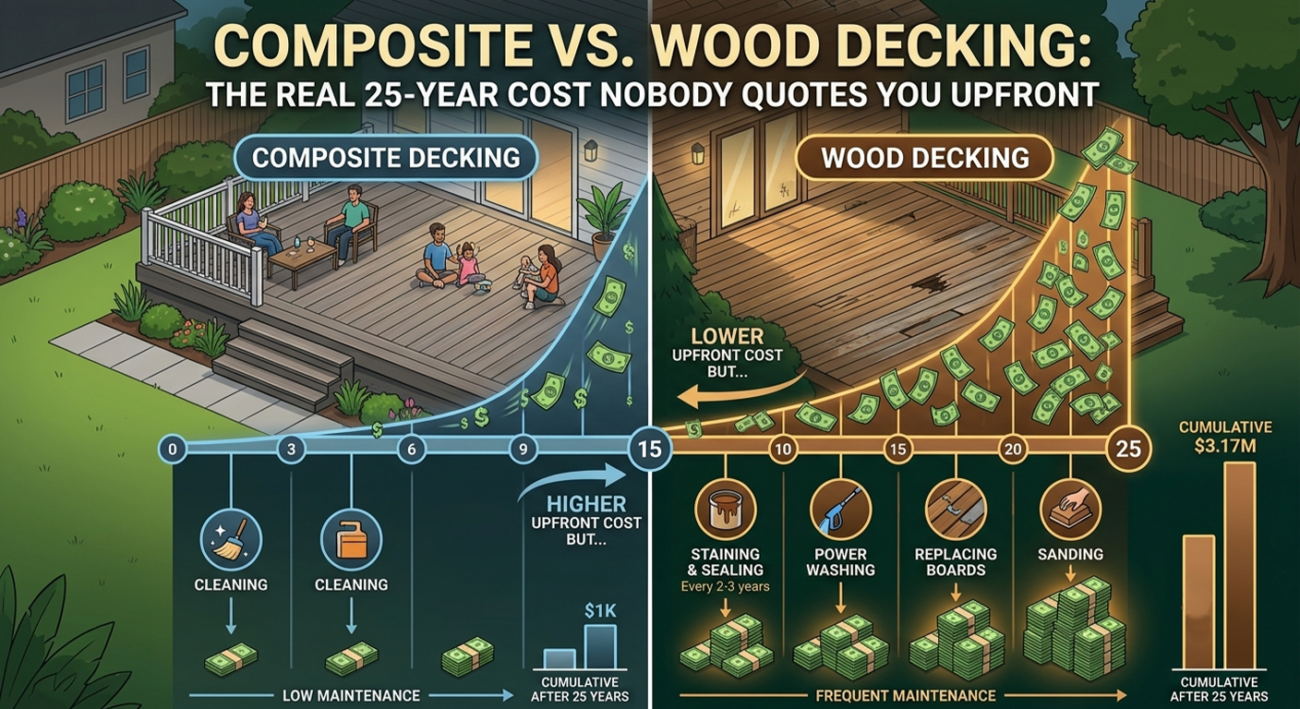
Every deck-building conversation starts with the same sticker shock: composite decking costs more per square foot than wood, sometimes a lot more, and that single number is enough to send budget-conscious homeowners straight to the lumber yard. What that upfront number doesn’t show is the other twenty-five years of ownership, the staining weekends, the board replacements, the slow creep of maintenance costs that wood demands and composite simply doesn’t.
Here’s the full financial picture, not just the headline price.
Upfront Cost: Wood Wins, But Not By as Much as You’d Think
| Material | Installed Cost Per Sq Ft | Material Cost Only |
| Pressure-treated wood | $15 – $35 | $3 – $5 |
| Cedar / redwood | $20 – $40 | $5 – $8 |
| Composite decking | $22 – $60 | $4 – $6 |
According to Big Pine Decks’ 2026 cost breakdown, composite decking installed runs $30 to $50 per square foot versus wood’s $20 to $35, while HomeGuide’s national data frames the gap similarly, composite carries a real upfront premium, but it’s narrower than many homeowners assume, especially once you account for the cost of premium wood species like cedar or redwood, which close much of the price gap on their own.
The Maintenance Math That Changes Everything
This is where the comparison genuinely shifts. A 2025 breakdown from AG Vinyl Fencing describes wood deck upkeep candidly: to prevent warping, cracking, and mold, you’ll generally need to sand, clean, and reseal every one to two years– a recurring weekend commitment for as long as you own the deck.
Composite, by contrast, needs a simple wash with soap and water or light pressure washing once or twice a year, no sanding, no staining, no sealant.
Big Pine Decks quantifies the time savings directly: roughly 20 to 30 hours saved annually per 300 square feet of deck compared to wood upkeep.
What Annual Wood Maintenance Actually Costs
Per a separate 2025 cost comparison from Coowin Group, wood decks require $300 to $600 yearly for sealing, which compounds significantly over a 20-year ownership period, and that figure doesn’t include the cost of replacing individual boards that rot, splinter, or warp beyond what resealing can fix.

Lifespan: The Number That Determines Total Cost of Ownership
| Material | Typical Lifespan | Conditions |
| Pressure-treated wood (well-maintained) | 10 – 15 years | Requires consistent annual sealing |
| Cedar / redwood (well-maintained) | 15 – 20 years | More rot-resistant than pine, still needs upkeep |
| Composite decking | 25 – 50 years | Resists rot, insects, and UV fading without sealing |
Independent testing cited by Big Pine Decks referencing Consumer Reports benchmarks found composite decking outlasts wood by a wide margin, supported by 25-year-plus material warranties from major composite manufacturers, a confidence level wood products simply don’t carry.
Where Wood Still Wins
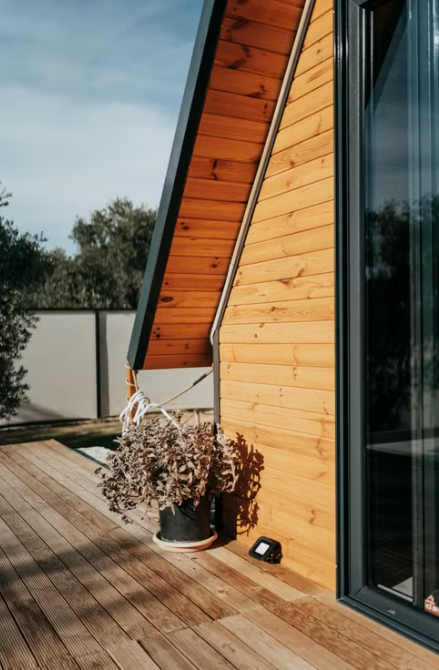
Authentic Look and Feel
Composite manufacturing has improved enormously, with realistic wood-grain texture and color variation, but HomeGuide’s comparison is candid that some composite products can still look artificial to a discerning eye up close.
Wood offers genuinely unique grain patterns, and the ability to refinish or change color entirely through staining, a flexibility composite manufactured after 2010 generally doesn’t offer, since it’s designed to hold its factory color permanently.
Lower Upfront Investment
For homeowners on a tight renovation budget, or those who don’t plan to stay in the home long enough to recoup composite’s long-term savings, wood’s lower material and installation cost remains a legitimate, practical reason to choose it.
Where Composite Wins
Climate Resilience
Composite decking handles moisture, temperature swings, and UV exposure better than wood across virtually every climate, resisting the rot, insect damage, and cracking that wood is vulnerable to, particularly in humid or freeze-thaw regions.
The Heat Trade-Off Worth Knowing
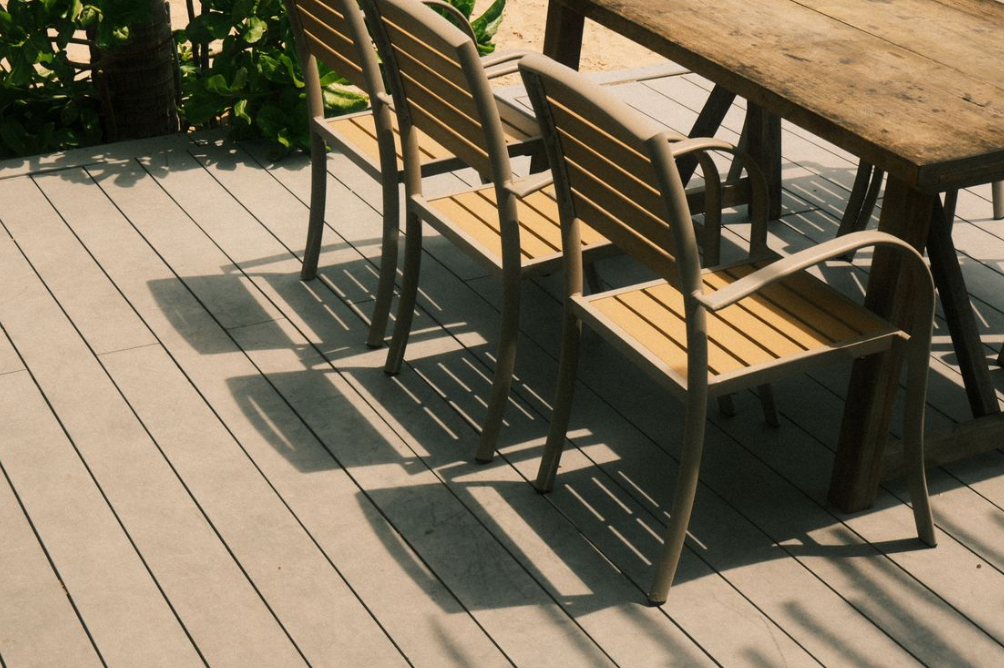
One genuine downside: composite decking can get noticeably hot underfoot in direct summer sun, more so than wood. HomeGuide notes that lighter-colored boards and newer formulations have meaningfully reduced this issue compared to early composite products, and choosing a light color or adding partial shade largely neutralizes the problem.
A Realistic 25-Year Cost Comparison
Run the numbers over a full ownership cycle for a 300-square-foot deck, and the picture looks roughly like this:
| Cost Category | Wood (25 years) | Composite (25 years) |
| Initial installation | $6,000 – $10,500 | $9,000 – $15,000 |
| Annual sealing/staining (×20+ years) | $6,000 – $12,000 | $0 |
| Likely full replacement (1–2× over 25 yrs) | $6,000 – $21,000 | Unlikely within 25 years |
| Estimated 25-year total | $18,000 – $43,500 | $9,000 – $15,000 |
This is the comparison that rarely makes it into the initial sales conversation, and it’s the one that matters most for anyone planning to stay in their home long-term.
Bottom Line
If you’re optimizing purely for the lowest number on a single quote, wood wins. If you’re optimizing for total cost of ownership, weekends not spent sanding and staining, and a deck that still looks good in year twenty, composite wins decisively, and the math behind that conclusion isn’t close once annual maintenance and replacement cycles are factored in honestly.
