
Choosing the right HVAC air filter size is crucial for maintaining good indoor air quality and ensuring the efficiency of your heating, ventilation, and air conditioning (HVAC) system. A poorly sized air filter can lead to reduced airflow, increased energy bills, and even damage to your HVAC equipment. here, we'll guide you through the process of selecting the correct air filter size for your home.
Why Air Filter Size Matters
Air filters are available in sizes and picking the correct one is important for keeping the air inside your home clean and making sure your heating and cooling system works well. If the air filter is not the size it can cause less air to flow make your energy costs go up and even hurt your HVAC system. If an air filter is too small it can get clogged fast which makes air move less and adds pressure to your HVAC system.
If an air filter is too big it might not fit right which leads to air leaks and makes the filter not work well. So how do you find the size for your air filter? The first thing to do is figure out the size of the part of your HVAC system that holds the filter.
This information is usually, on the side or top of the unit. The size is given in inches. Keep in mind that the air filter size must match the air handler size.
Measuring Your Air Handler

To measure your air handler you’ll need a tape measure. Take care to note the width, height and depth of the unit. Make sure to measure in inches because that’s the unit used for air filters.
After you have these measurements you can use them to find the air filter size. Most air filters are rectangular. Their size is usually listed in inches.
For example a common size is 16×20 inches. It’s also important to think about what type of air filter you need. There are two types: reusable.
Disposable filters are the widely used. Are usually affordable. However they must be replaced every one, to three months depending on how you use the system and what the manufacturer recommends.
Reusable filters can be used again and again. They cost more at first. Over time they may save you money.
Understanding MERV Ratings for HVAC Air Filter Size

Another important factor to consider when choosing an air filter is the MERV rating. MERV ratings range from 1 to 20 with MERV ratings indicating better filtration efficiency. However higher MERV ratings also mean airflow rates so it’s essential to balance filtration efficiency with airflow needs. For HVAC systems, MERV 8 to 13 filters are commonly used. These filters provide a balance between filtration efficiency and airflow rates.
If you have needs, such as high-efficiency filtration or reduced allergen exposure you may need to choose a higher MERV rating. It’s also worth noting that some air filters have a MERV rating than others but they may not be suitable for all HVAC systems. For example some high-efficiency filters may require an airflow rate, which can be a problem, for smaller HVAC systems.
In this case it’s essential to consult with a professional to determine the air filter for your specific needs.
Choosing the Right MERV Rating for Your HVAC System

When selecting a MERV rating think about these points:
• The size of your HVAC system
• The kind of pollutants you want to remove
• The airflow rate that your system needs
Take a look, at these things. Then you can pick the MERV rating that fits your HVAC system best. This helps your system run well and keeps the air clean.
Choosing the Right Air Filter Material for HVAC Air Filter Size

Air filters come in materials such as fiberglass, pleated and electrostatic.
I think each type of air filter has its strengths and weaknesses.
The best choice of air filter depends on what you need and what you prefer.
Fiberglass filters are the common and usually cost less.
Air filters of the fiberglass type don’t have a MERV rating.
That means air filters of the fiberglass type don’t filter out particles well.
Pleated air filters have a MERV rating.
Pleated air filters catch dust and allergens.
Pleated air filters are more effective at filtering the air.
Electrostatic air filters use a charge to pull in dust and other small particles.
That makes electrostatic air filters a pick, for people who have allergies.
When picking an air filter think about a things.
First how clean do you want the air to be?
Second how much will the filter. How often will you need to replace or clean it?
Taking these points into account helps you pick the air filter material.
That way your HVAC system will work better.
Last longer.
Installation and Maintenance for HVAC Air Filter Size
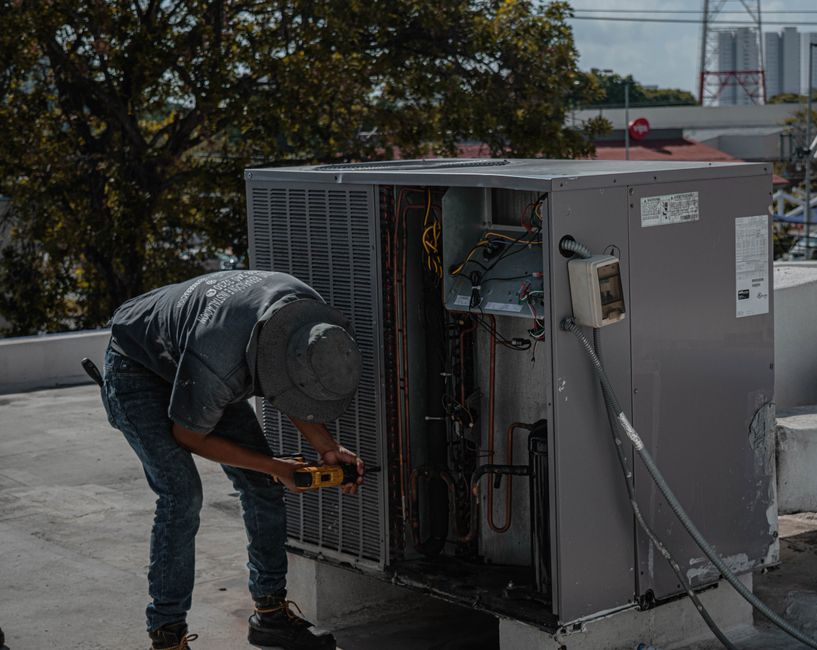
Once you have chosen the air filter size and material it’s essential to install the air filter and keep the air filter clean. I always follow the manufacturer’s instructions for installation. Replace the air filter every one to three months depending on how often I use the HVAC system.
The manufacturer’s recommendations are clear: regular air filter maintenance keeps air quality high and keeps the HVAC system efficient. A dirty air filter can choke airflow raise energy bills and even damage the HVAC equipment. I make it a habit to check the air filter, for clogs or damage.
When an air filter is clogged, airflow drops the HVAC system works harder energy bills. The HVAC equipment may suffer damage.
Practical Implications of Choosing the Right HVAC Air Filter Size
Choosing the air filter size can make a difference for your home and for your heating and cooling system. A sized air filter size can help make the air, inside your home cleaner lower your energy costs and help your HVAC equipment last longer. If the air filter size is not the size the air filter size can cause less air to flow through make your energy bills higher and even hurt your HVAC equipment.
In some cases a wrong size air filter size can cause the whole system to stop working which can be expensive and hard to fix. It’s also important to remember that picking the air filter size can affect the environment. A sized air filter size can cut down on the energy your HVAC system uses, which helps reduce greenhouse gas emissions and supports a better future for everyone.
Conclusion
Choosing the HVAC air filter size is a vital step that helps keep indoor air quality good and keeps the HVAC system running efficiently. I have found that picking the size of the HVAC air filter really makes a difference. By following the steps outlined here you can make sure that the HVAC air filter is the size, which will improve indoor air quality make the system run more efficiently and lower the chance of expensive repairs.
Remember to measure your air handler pick the MERV rating choose the right air filter material and install and care for the HVAC air filter properly. With the HVAC air filter you can enjoy better indoor air quality, lower energy bills and a longer life, for the HVAC system.
✅ Verdict
By following the steps outlined here, you can means that your HVAC air filter is properly sized, improving indoor air quality and system efficiency.
