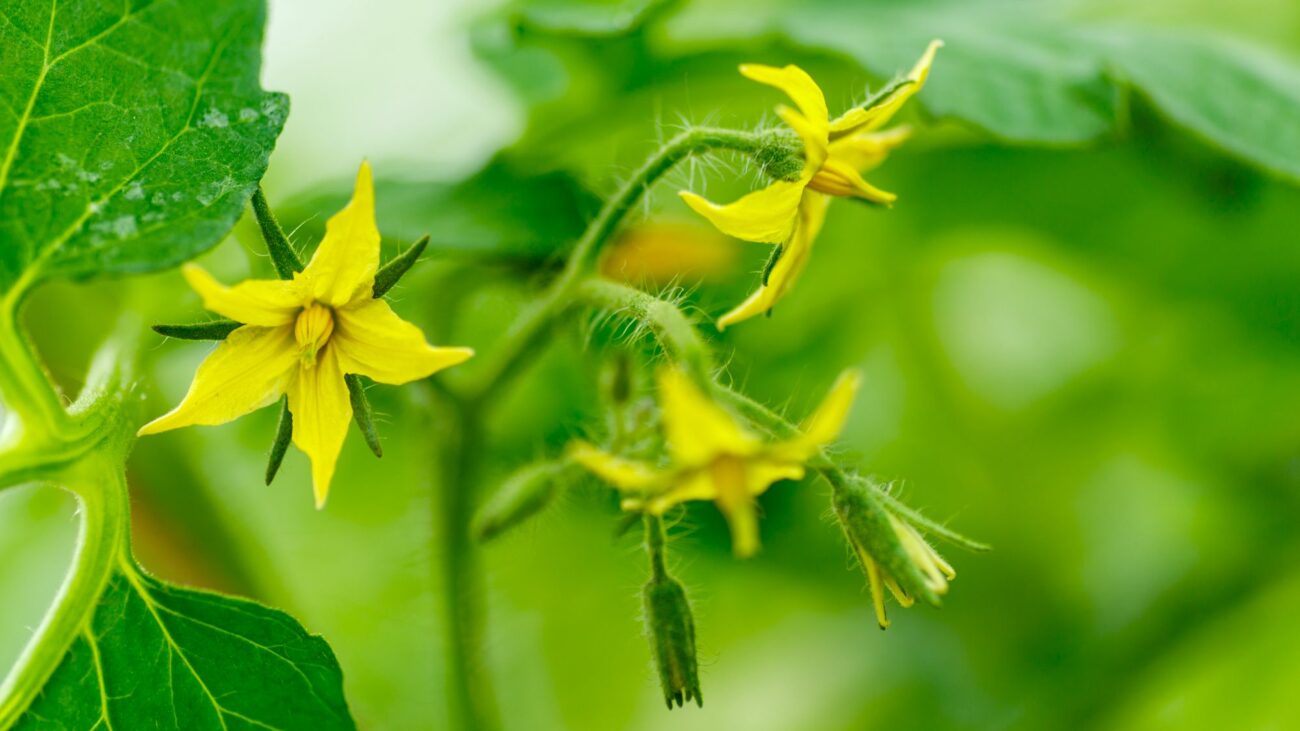
Temperature fluctuations, nutrient deficiencies, pest or disease issues – these factors can cause tomato plants to produce flowers without fruit.
Let's look at some common causes and solutions before it's too late.
Troubleshooting Tomatoes with Flowers but No Fruit
60 days is the typical time frame for tomatoes to ripen from flower to fruit, but many gardeners face the issue of flowers without fruit every year. This phenomenon can be attributed to various factors, including temperature fluctuations, nutrient deficiencies, and pest or disease issues.
The problem often stems from temperature fluctuations, nutrient deficiencies, or pest/disease issues. A closer look at these factors can help you identify the root cause and take corrective action. For instance, if your tomato plants are not receiving enough sunlight, it may be causing a delay in fruit production. Similarly, if the soil pH is too high or low, it can affect nutrient uptake, leading to flower formation without fruit.
Common Causes of Fruitless Tomatoes
Temperature fluctuations: Tomato plants require a consistent temperature between 65°F and 70°F (18°C and 21°C) for optimal growth. If the temperature drops or rises significantly, it can cause flowers to form but not produce fruit.
Nutrient deficiencies: Tomatoes need essential nutrients like nitrogen, phosphorus, and potassium to produce fruit. A lack of these nutrients can lead to flower formation without fruit. You can check your soil pH and adjust it if necessary to ensure optimal nutrient uptake.
Soil pH and Nutrient Uptake
Most tomato varieties prefer a slightly acidic to neutral soil pH (around 6.0-7.0). If your soil pH is too high or low, it can affect nutrient availability, leading to flower formation without fruit. To adjust the soil pH, you can use lime or sulfur.
Pest or disease issues: Pests like hornworms, aphids, and whiteflies can damage tomato plants, causing them to produce flowers but not fruit. Similarly, diseases like fungal infections and bacterial spot can also cause this issue. Regularly inspect your plants for signs of pests or diseases and take corrective action promptly.
Practical Tips to Salvage the Season
Adjusting soil pH: If you suspect that your tomato plants are not receiving enough nutrients due to an incorrect soil pH, adjust it accordingly. Most tomato varieties prefer a slightly acidic to neutral soil pH (around 6.0-7.0). You can use lime or sulfur to adjust the pH.
Monitoring temperatures: Keep a close eye on temperature fluctuations and ensure that your tomato plants are receiving consistent temperatures between 65°F and 70°F (18°C and 21°C).
Controlling pests: Regularly inspect your plants for signs of pests and take corrective action promptly. Use organic pest control methods whenever possible to avoid harming the environment.
It’s also essential to consider the role of nutrient deficiencies in fruitless tomatoes. Nutrient deficiencies can be caused by a lack of essential nutrients like nitrogen, phosphorus, and potassium. These nutrients are crucial for tomato plant growth and development. For example, nitrogen is necessary for leaf growth, while phosphorus promotes root development. Potassium helps with overall plant health and resistance to disease.
When it comes to nutrient deficiencies, soil pH plays a critical role. If your soil pH is too high or low, it can affect nutrient availability, leading to flower formation without fruit. To adjust the soil pH, you can use lime or sulfur. For instance, if your soil pH is too alkaline, adding sulfur can help lower the pH and make nutrients more available.
✅ Verdict
Don't let a lack of fruit on your tomato plants go unnoticed. With practical tips like adjusting soil pH, monitoring temperatures, and controlling pests, you might salvage something from this season.