
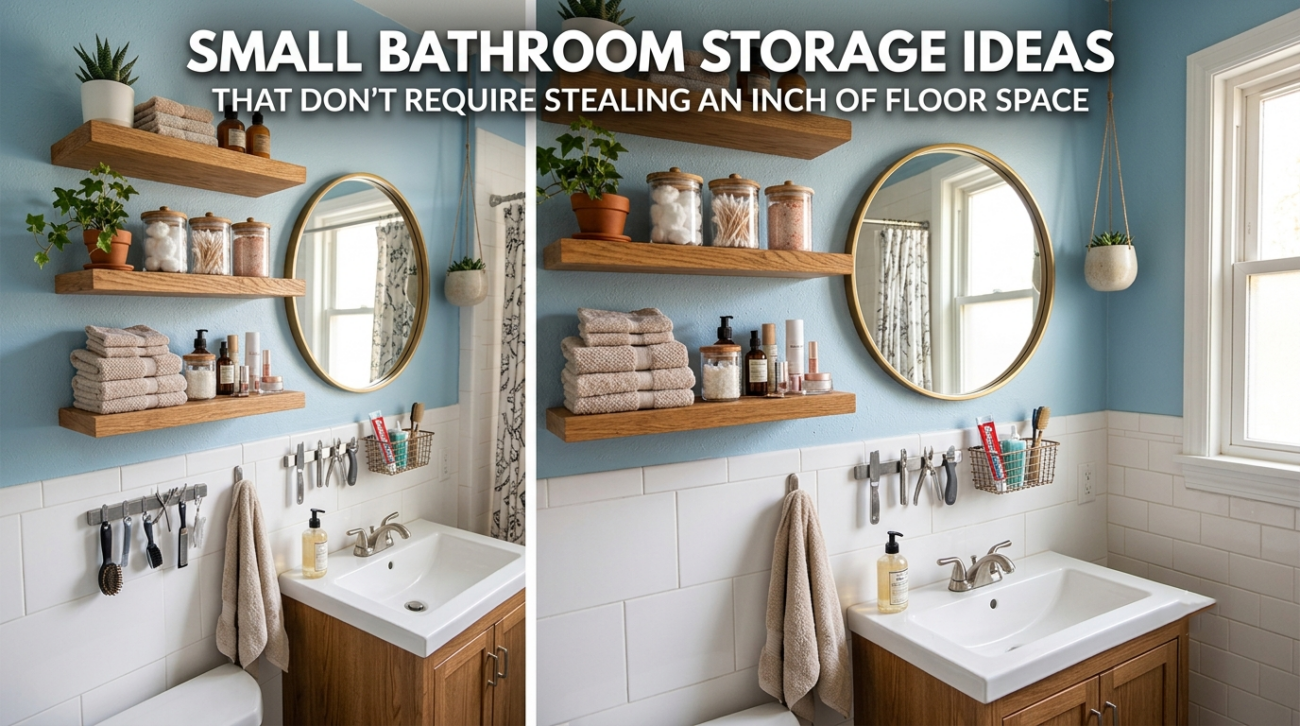
There’s a particular kind of bathroom clutter that only happens in small spaces: the shampoo bottle balanced precariously on the tub edge, the toothbrush holder competing with three other things for two square inches of counter, the towel that has nowhere to go but the doorknob.
The instinct is to assume the fix requires a renovation. Often, it just requires looking at the bathroom differently specifically, looking up, behind, and into the gaps nobody else is using.
The Single Best Upgrade: A Built-In Shower Niche
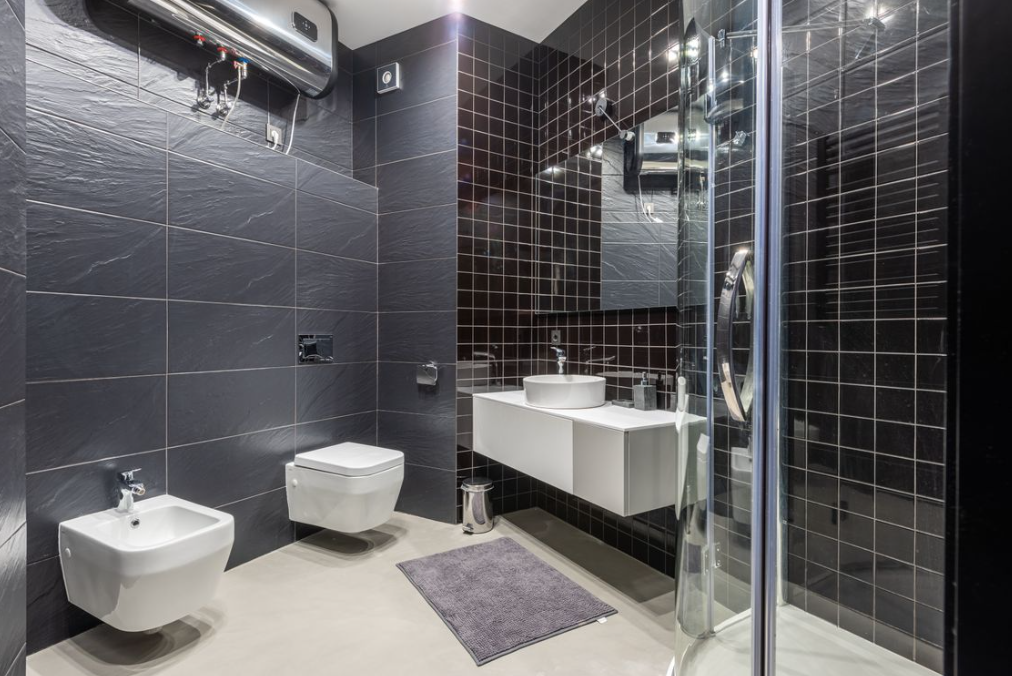
If you’re doing any shower work at all even a minor tile refresh this is the upgrade worth prioritizing above everything else on this list. A built-in niche is recessed directly into the wall between studs, eliminating the need for any external caddy, shelf, or rack entirely.
According to a detailed 2025 breakdown from College City Design Build, these niches are typically built 14.5 inches wide, the standard space between 16-inch studs, and each one adds roughly 2 to 3 cubic feet of storage without losing any floor or counter space at all.
Why a Built-In Niche Beats Every Caddy Alternative
A 2025 guide from The Decor Uncle makes the case bluntly: hanging shower caddies rust, suction cup shelves fall at inconvenient moments, and corner tension rods slowly slide downward until they stop working. A built-in niche eliminates all three failure points because it’s structurally part of the wall, not an accessory attached to it.
Cost-wise, this isn’t an expensive upgrade if you’re already opening up the wall for tile work:
- DIY during a tile replacement: $50 – $100 in materials
- Professional installation: $200 – $400 depending on location and tile choice
One practical tip worth following exactly: install the niche at chest height for easy access, and make sure it’s at least 3.5 inches deep so standard shampoo bottles don’t tip out every time the door opens.
Storage Solutions That Need Zero Construction
1. Behind-the-Door Magnetic Memo Board
This is one of the cleverest low-cost hacks available: attach a magnetic memo board to the inside of your medicine cabinet door, then use small magnetic containers or magnet-backed product holders to turn an unused door surface into genuine storage for grooming tools and small cosmetics.
The only rule: arrange items so the door can still close fully.
2. Basket Shelves Mounted on the Wall
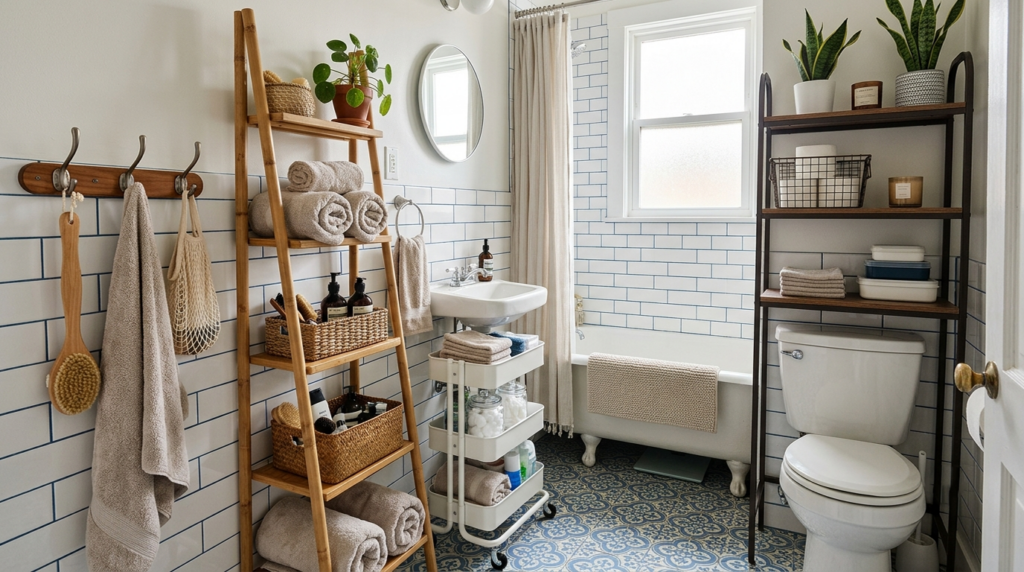
A set of small wall-mounted baskets, the raised-side, open-top kind, gives you visible, easy-access storage for rolled towels, lotions, and toiletries without the bulk of a full cabinet. They’re inexpensive, simple to install with basic wall anchors, and add genuine texture and warmth to a bathroom that otherwise leans cold and clinical.
3. Slim Rolling Carts for Tight Gaps
According to College City Design Build’s storage breakdown, even a gap of just 10 to 12 inches beside a toilet or vanity is enough space for a slim rolling cart with 3 to 4 tiers.
These work especially well in shared bathrooms, since each household member can roll their own cart out for use and tuck it back into its slim profile when finished.
4. A Repurposed Bar Cart
An unconventional but genuinely effective option for bathrooms with little to no built-in cabinet space: a small bar cart rolled in and positioned near the sink or tub. It’s mobile, holds a meaningful amount of product, and can be wheeled completely out of the way when guests come over.
5. Drawer-Based Vanities Over Door-Based Ones
If you’re at the point of replacing a vanity anyway, this single decision matters more than people expect.
The same College City Design Build analysis notes that drawer-based vanities typically provide 30% to 40% more usable storage than door-based cabinets of the same footprint, simply because drawers make far better use of vertical space than a single open cabinet cavity with everything stacked on top of itself.
Recessed Wall Niches Beyond the Shower
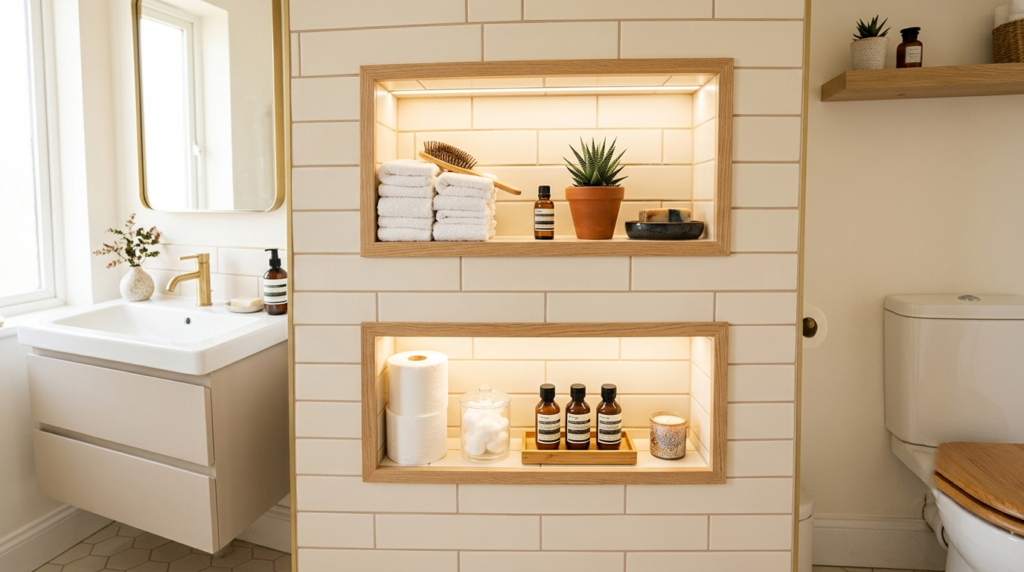
The same stud-cavity trick that works in a shower works anywhere along an interior wall. According to Houzz’s 2026 Best of Houzz storage roundup, designers increasingly recommend carving recessed niches into plain walls rather than leaving them untouched, turning otherwise wasted wall depth into functional, visually appealing storage flanking a toilet, beside a vanity, or as a dedicated spot for folded towels.
Quick Comparison: Cost and Effort by Solution
| Solution | Cost | Effort Level | Floor Space Used |
| Built-in shower niche (DIY) | $50 – $100 | Moderate (requires open wall) | None |
| Built-in shower niche (pro) | $200 – $400 | None, hired out | None |
| Magnetic memo board in cabinet | $10 – $25 | Minimal | None |
| Wall-mounted basket shelves | $20 – $60 | Minimal | None |
| Slim rolling cart | $30 – $80 | None, just place it | Minimal (10–12 in.) |
| Drawer-based vanity swap | $400 – $1,500+ | Moderate to high (plumbing involved) | Same as existing |
| Recessed wall niche (non-shower) | $75 – $250 | Moderate (requires open wall) | None |
Material Choices That Hold Up to Bathroom Humidity
Whatever storage solution you choose, material matters more in a bathroom than almost any other room in the house.
A 2026 guide from Driven by Decor specifically recommends rust-resistant materials like stainless steel or plastic for any in-shower storage, and notes that wire caddies with open slats are preferable to solid-bottom designs because they allow water to drain rather than pool and cause soap scum buildup.
The Mobile Storage Mindset
Not every small bathroom has room for built-in anything, and that’s a legitimate constraint worth designing around rather than fighting. A 2024 feature in Better Homes & Gardens quotes interior designer Lindsay Speace describing her own small bathroom solution: a large wicker basket used to store folded towels, chosen specifically because it’s mobile rather than fixed.
Her broader point applies well beyond just towels: keeping storage elements moveable and adjustable lets them keep working for you as your actual needs change over time, rather than locking you into a single fixed configuration.
Bottom Line
Small bathrooms don’t need more floor space to function well; they need their existing volume used more intelligently. If you’re already planning any shower or wall work, prioritize a built-in niche above every other option on this list; it’s the upgrade with the best ratio of low cost to permanent, reliable function.
If you’re not ready for construction, layering two or three of the no-construction solutions above (a memo board, a rolling cart, basket shelves) closes most of the gap without a single tool in hand.
