
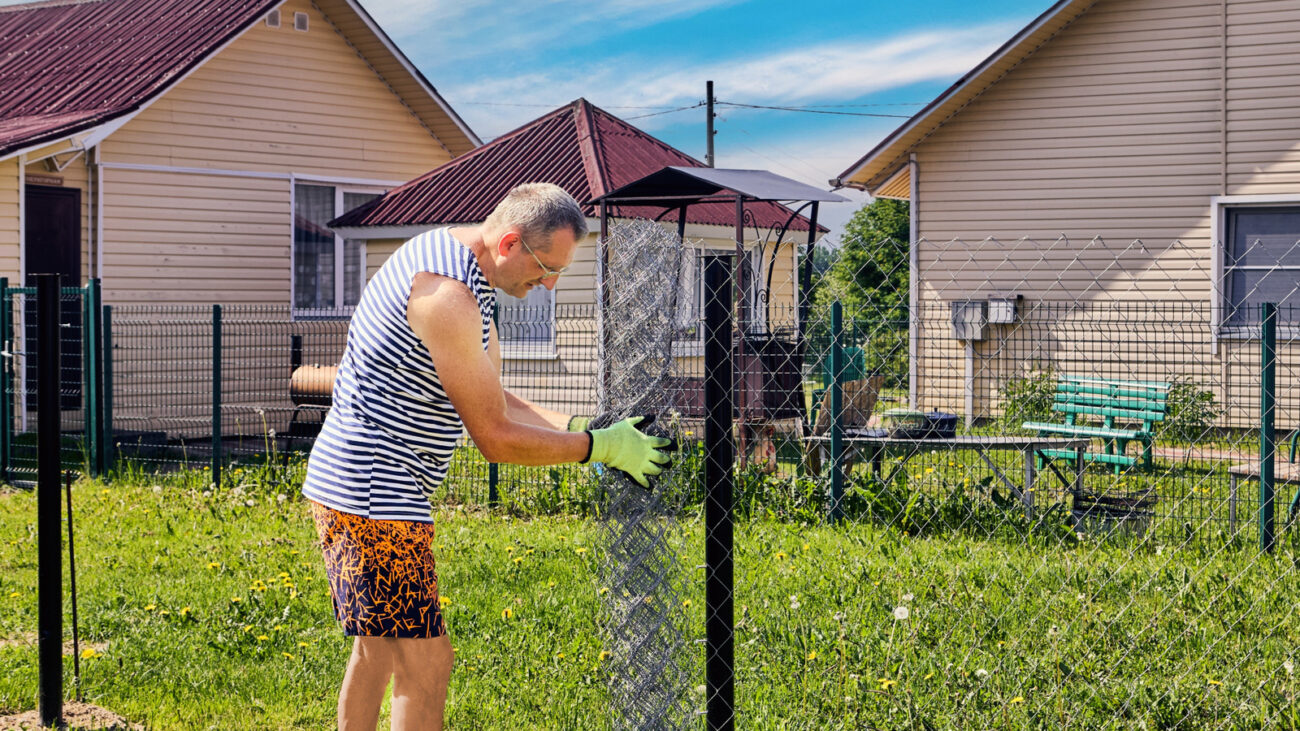
A bumpy lawn can be frustrating, especially when it's uneven or has dips that make it difficult to mow or walk on.
Old chain-link fences often end up in landfills, but they can be repurposed as a leveling material, providing a budget-friendly way to achieve a smooth outdoor space.
Repurpose an Old Chain-Link Fence for Lawn Leveling: Benefits and Drawbacks
Assessing Your Chain-Link Fence’s Condition
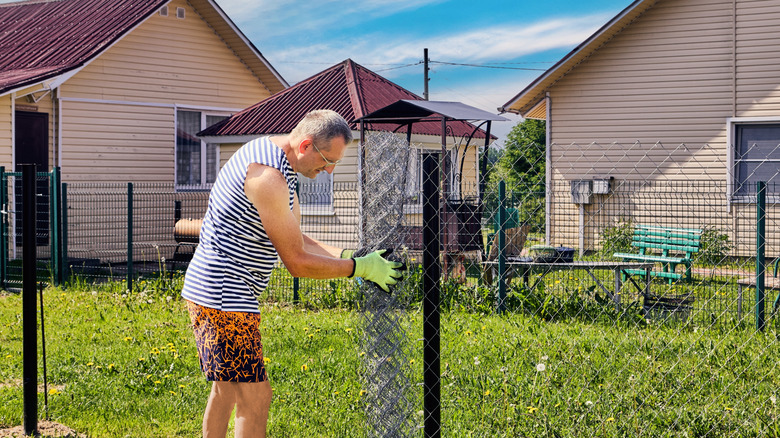
A sturdy chain-link fence can be repurposed for lawn leveling, but a damaged or rusty one may not be suitable. Inspect your old chain-link fence carefully before proceeding.
The process of repurposing a chain-link fence involves several steps. First, collect the necessary materials, including the old chain-link fence, wooden posts or stakes, and tools like a shovel, trowel, and level. Consider the size of your lawn and the number of panels you’ll need to cover it.
Key Factors to Consider When Repurposing a Chain-Link Fence
The condition of the fence is crucial in determining its suitability for repurposing. Look for signs of damage, rust, or corrosion that may compromise its structural integrity. Additionally, consider the type of material used to make the fence and whether it’s compatible with your lawn’s soil conditions.
For example, if you have a lawn with poor drainage, you may need to use a chain-link fence made from materials that are resistant to rust or corrosion. On the other hand, if you have a lawn with heavy clay soil, you may want to consider using a fence made from materials that can withstand the weight and moisture.
Chain-Link Fence Types: Choosing the Right Material
There are several types of chain-link fences available in the market, each with its unique characteristics. Galvanized steel is a popular choice due to its durability and resistance to corrosion. However, it may not be suitable for lawns with poor drainage or heavy clay soil.
Aluminum chain-link fences are another option, offering excellent rust-resistance and lightweight design. They are ideal for lawns with uneven terrain or those who want a more eco-friendly solution.
The process of repurposing a chain-link fence involves several steps. First, clear the area where you want to level your lawn, removing any debris, rocks, or weeds that may interfere with the leveling process. This will ensure a smooth surface for the fence to sit on.
Step-by-Step Guide to Repurposing an Old Chain-Link Fence
- Clear the area where you want to level your lawn, removing any debris, rocks, or weeds that may interfere with the leveling process. This will ensure a smooth surface for the fence to sit on.
- Lay out the chain-link fence in a grid pattern, making sure it’s evenly spaced and aligned with the surrounding terrain. Secure the fence to the ground using wooden posts or stakes, ensuring they’re level and stable.
- Use a level tool to make sure the surface is even and smooth as you work on leveling your lawn. This will ensure that the fence sits properly and provides an even surface for mowing or walking.
It’s also essential to consider the weight of the chain-link fence when repurposing it for lawn leveling. A heavy fence can put additional pressure on the surrounding terrain, which may lead to further erosion or damage. To mitigate this risk, you can use a lighter material or add extra support to the fence.
Benefits and Drawbacks of Repurposing an Old Chain-Link Fence
Repurposing an old chain-link fence for lawn leveling has several benefits, including cost-effectiveness and environmental sustainability. However, there are also some drawbacks to consider, such as the potential for damage or rust if not properly maintained.
- Cost-effective: Repurposing a chain-link fence is an affordable way to level your lawn, especially when compared to hiring a professional contractor.
- Environmental benefits: By repurposing an old chain-link fence, you’re reducing waste and minimizing the need for new materials.
- Potential drawbacks:
✅ Verdict
Repurposing an old chain-link fence is a creative solution for leveling a bumpy lawn. With some planning and effort, you can create a smooth outdoor space without breaking the bank.
